

Building Flex Into Your Factory: Design Shifts in Manufacturing
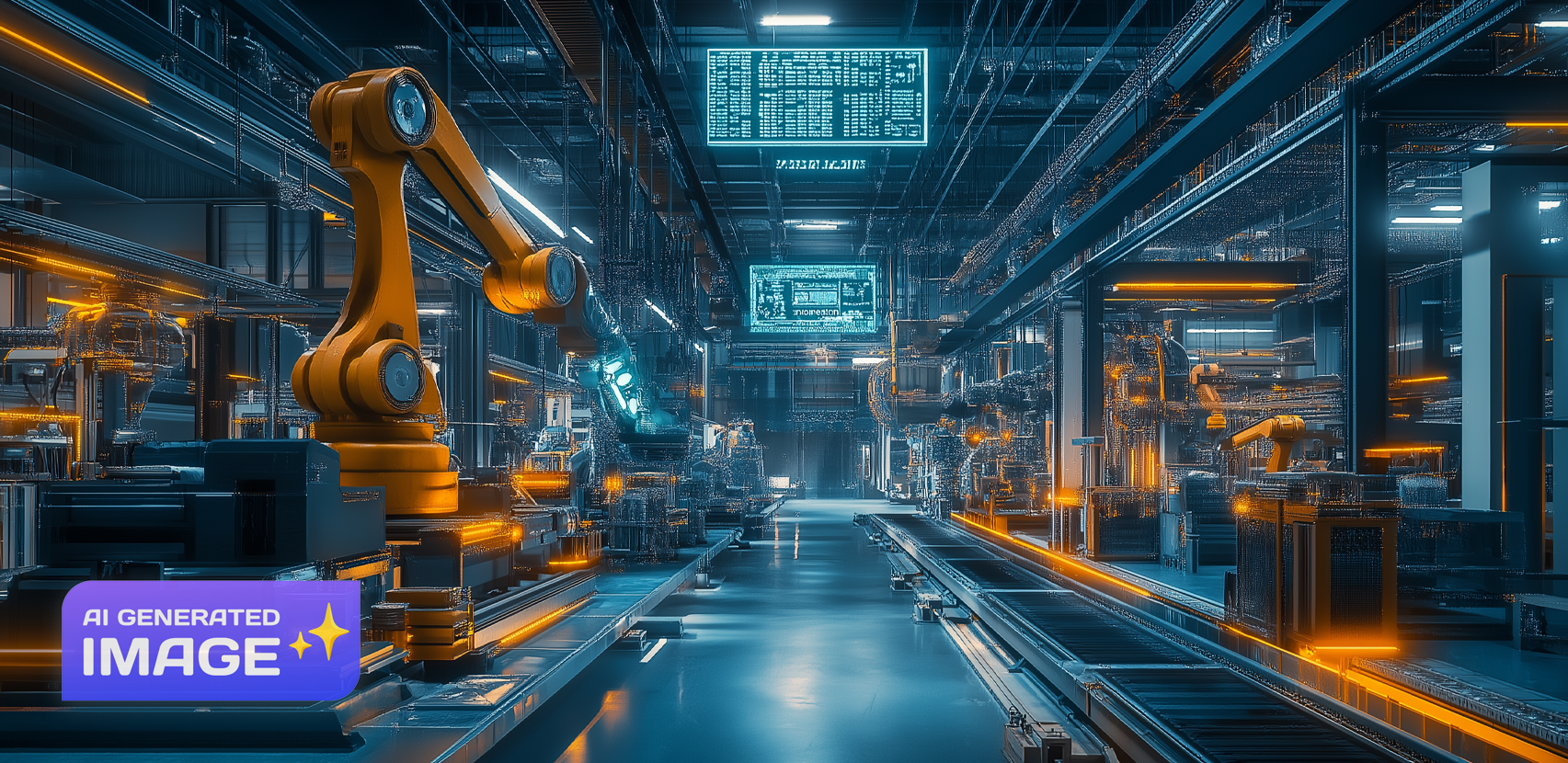
The Problem: Spreadsheets Are Holding You Back
Imagine a factory floor where production teams juggle 14 spreadsheets. It’s a recipe for inefficiency.
- Manual data entry and email exchanges slow down processes, increasing the risk of errors.
- Without real-time visibility into operations, decisions are delayed, impacting productivity.
Key Insight: Managing complex workflows with spreadsheets can lead to significant bottlenecks and reduced operational efficiency.
For example, tracking inventory levels manually means frequent delays in restocking parts, which can halt production lines.
Custom Software for Real-Time Visibility
Implementing custom software can transform your factory floor by providing real-time tracking of production processes.
- Reduce manual data entry, saving time and reducing errors that slow down operations.
- Improve communication with integrated messaging systems, ensuring everyone is on the same page.
Key Insight: Real-time visibility isn’t just about tracking; it’s about making sure your team can respond quickly to any issues that arise on the factory floor.
By adopting custom software solutions, you move away from outdated spreadsheets and into a system that not only tracks but also enhances productivity and decision-making.
Adaptive Scheduling with AI
AI-driven scheduling adapts in real-time, using live data to optimize your factory floor.
- Adjusts schedules based on current production demands and equipment status.
- Reduces downtime by ensuring machines are used efficiently.
- Improves machine utilization, making the most of your existing resources.
By integrating AI, predictive maintenance becomes more accurate and reliable.
- Predictive models anticipate when equipment might fail, allowing for timely maintenance.
- Reduces unexpected downtime by catching issues before they escalate.
- Improves overall equipment reliability and extends the lifespan of machinery.
Key Insight: Real-time AI scheduling not only optimizes production but also enhances equipment longevity, leading to significant cost savings and efficiency gains on the factory floor.
Integration with Legacy Systems
At Jetpack Labs, we understand that modernizing your factory floor doesn’t mean starting from scratch. We specialize in integrating new software seamlessly with your existing legacy systems.
- We ensure minimal disruption to ongoing operations, allowing you to keep your production lines running smoothly while we upgrade behind the scenes.
- By leveraging our expertise in Laravel and Vue.js, we can extend the lifespan of your current infrastructure investments, saving you money and ensuring a smoother transition.
For example, if you’re currently using outdated spreadsheets to manage inventory, we can build custom software that integrates with your existing systems without forcing a complete overhaul.
Key Insight: By integrating new technology with legacy systems, you maintain operational continuity while gaining the benefits of modern software solutions.
This approach means you can start seeing improvements in efficiency and accuracy almost immediately, without the need for a massive investment or significant downtime.
Case Study: XYZ Manufacturing
XYZ Manufacturing faced significant production delays and inventory mismanagement, which were hampering their efficiency.
By implementing custom software tailored to their factory operations, they achieved remarkable results.
- Reduced production delays by 50% through streamlined scheduling and real-time monitoring.
- Improved inventory management, significantly cutting material waste with better tracking systems.
- Increased employee satisfaction by automating repetitive tasks and enhancing overall workflow efficiency.
Key Insight: Custom software solutions can directly address specific manufacturing challenges, leading to tangible improvements in productivity and staff morale.
The factory floor saw a transformation as workers relied less on manual spreadsheets and more on automated systems that provided real-time updates and alerts.
This shift not only sped up production but also ensured that materials were used more efficiently, reducing waste and lowering costs.
The Benefits: Flexibility and Scalability
Implementing flexible production schedules can help you meet fluctuating demands without constant upheaval.
- Adapt to peak seasons or sudden drops in orders with ease.
- Reduce downtime and idle time on the factory floor.
Our scalable solutions grow alongside your business, ensuring you have the tools needed as you expand.
- Add capacity without overhauling existing systems.
- Plan for future growth with modular architecture.
Data-driven insights enable better decision-making, streamlining operations and enhancing productivity.
- Identify inefficiencies and areas for improvement with real-time data.
- Optimize resource allocation based on actual usage patterns.
Key Insight: By integrating flexible and scalable solutions, manufacturers can respond to market changes more effectively and maintain a competitive edge.
Conclusion: Building a More Agile Factory
In today’s fast-paced manufacturing landscape, agility is key to staying competitive.
Key Insight: By streamlining your factory operations and embracing modern software solutions, you can reduce downtime and improve efficiency significantly.
Here are the main takeaways from our design shifts discussion:
- Identify and address the most costly constraints in your factory operations.
- Leverage custom software to automate repetitive tasks, enhancing productivity.
- Focus on user experience in your software design to ensure seamless adoption by your team.
Ready to make these changes? Start with small steps:
- Assess current pain points in your factory operations, such as frequent spreadsheet errors.
- Implement automation for tasks that are prone to human error or take up too much time.
- Invest in user-friendly software solutions that can integrate with your existing systems.
For more tailored assistance, contact us. Our team of experts can help design and implement custom software solutions that fit your factory’s unique needs.
More of Our Starship Stories

The Importance of an Independent Code Audit
June 12, 2024

Introducing Mixture of Experts (MoE) - A Unique Approach to Scaling Models
January 19, 2024
Discover the key differences between traditional AI and agentic systems for startups in 2025. Learn which approach fits your business goals, budget, and growth plans.
October 7, 2025